The Gut Check Framework: When to Trust Instinct Over Data
You have spent weeks preparing to make a recommendation to the board. You’ve analyzed the dashboards thoroughly. You’ve examined the numbers until your eyes blur. You’ve prepared the evidence for the board meeting. Everything appears perfect on paper.
Yet something feels wrong.
You can sense the quiet tension beneath the logic, a disconnect that the spreadsheet can’t resolve. This is the moment when most leaders struggle. You assume you need more data to eliminate uncertainty in your mind. After all, isn’t a good decision-making framework built on solid data?
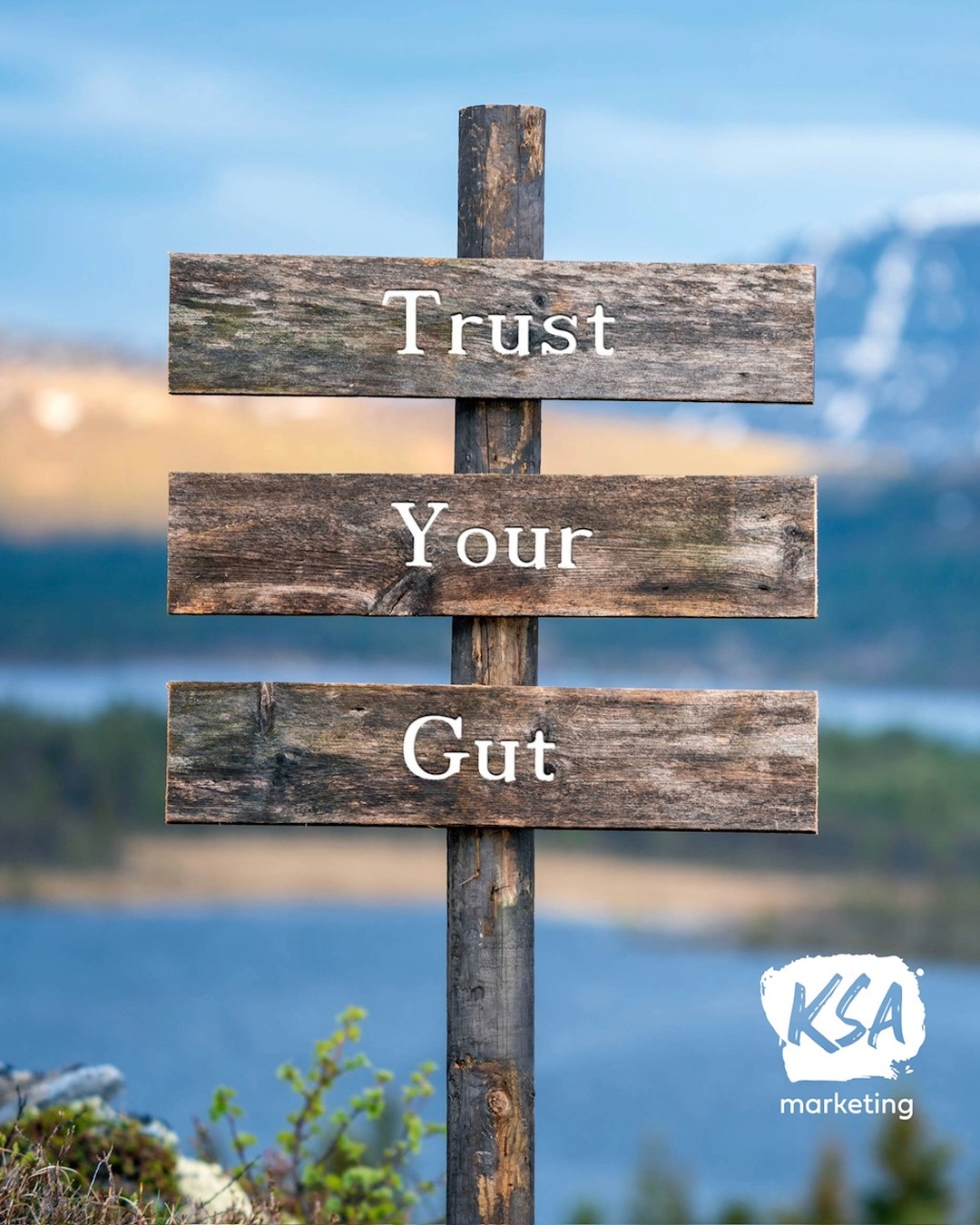
Here’s the insight: Your framework needs refinement to include your gut instinct.
We’re conditioned to believe that data provides clarity and eliminates risk. We make plans and decisions on the future by analyzing the past. However, in pursuit of absolute certainty and in ignoring our instincts, we often compromise our vision. When you dismiss that internal signal, you’re missing critical information. The most effective decisions don’t emerge from silencing your intuition—they come from understanding precisely when to let it guide you.
Understanding the Data Challenge
We often approach business as pure science, but experienced leaders recognize a different reality.
According to a 2025 Qualtrics study, nearly two-thirds of senior marketing leaders still rely on gut instinct for critical decisions, despite having access to more advanced analytics than ever before.
The reason? Access to information differs from access to insight. The same study revealed that 56% of executives feel overwhelmed by fragmented data sources. They’re not lacking information; they’re experiencing a “data deluge.” When you’re overwhelmed by noise, clarity doesn’t emerge from another report. It comes from the ability to cut through the complexity and find the trends and insights hidden within, and that is when your intuition can shine.
This reliance on instinct isn’t contradictory to modern business practices. It represents a strategic approach to decision-making.
Strategic Application of Intuition
The common mistake leaders make is treating all choices as purely analytical problems; approaching decision-making with a balance of analytical and intuitive practices yields more successful outcomes.
Research published in the Harvard Business Review indicates that intuition plays its strongest role when decisions involve ambiguity and incomplete information. To create a data- and intuition-balanced framework, you should categorize your challenges into two distinct types: Routine and Strategic.
Routine Decisions: Data-Driven Approach
Routine decisions belong to analytics. These include pricing adjustments, channel optimization, and cadence testing. In these scenarios, the variables are known, the historical context is clear, and the probabilities of the outcomes can be calculated.
When you can build a reliable model, rely on the data rather than intuition.
Strategic Decisions: Intuition-Led Approach
Strategic inflection points operate differently. When you’re entering new markets, repositioning brands, or creating new categories, you’re navigating uncertainty.
Data cannot predict futures that don’t yet exist. It cannot interpret cultural shifts or unspoken customer hesitation without proper context. If you wait for data to validate your vision, you may miss the opportunity. In these moments, you need direction rather than validation. You need strategic guidance.
Understanding Intuition as Intelligence
There’s a common misconception that “following your gut” is purely emotional or impulsive, but that isn’t the case.
Expert intuition, as defined by researchers such as Gary Klein, is advanced pattern recognition. It’s your brain synthesizing years of experience, successes, failures, market insights, and human behavioral patterns into strategic wisdom. It’s a rapid assessment of the environment based on mental models you’ve developed over time.
When you experience that “gut check,” your brain is identifying a pattern of inconsistency. It’s recognizing that customer sentiment doesn’t align with survey results. It’s detecting team misalignment that KPIs aren’t capturing.
Intuition isn’t the opposite of analytical thinking. It’s the synthesis of accumulated intelligence.
However, uncalibrated intuition presents risks. Without proper discipline, confidence can become self-deception. You must validate your instincts to ensure they’re grounded in experience rather than ego.
The Decision Calibration Process
How do you trust your intuition without making costly mistakes? You validate it systematically. Effective leaders don’t choose instinct over data; they use data to test their intuitive insights.
Here’s a structured approach to calibrate your decision-making:
Assess the Environment
Is your operating environment predictable? Nobel laureate Daniel Kahneman and decision expert Gary Klein discovered that intuition is most reliable in “high-validity environments”—situations where you receive consistent feedback on your decisions. In chaotic, low-feedback environments, exercise caution with gut instincts. Within your area of expertise, trust it more confidently.
Analyze the Instinct
Ask yourself specific questions to distinguish signal from noise:
- Is this pattern recognition or an emotional response to risk?
- Would this instinct hold if the stakes were different?
- What specific assumption am I protecting?
Create Testing Opportunities
If your intuition suggests “proceed” but data indicates “pause,” avoid high-stakes commitments initially. Design low-risk experiments. Validate the instinct through micro-launches or pilot programs. This approach allows you to gather the specific data needed to confirm or refute the intuitive insight.
Prioritizing Action Over Perfect Information
We operate in an era that prioritizes quantification. We seek guarantees before taking action. However, leadership rarely involves making perfect decisions. It’s about making the best decisions possible with available information—and then ensuring success through effective execution.
Data provides clarity where information exists. Intuition provides direction where it doesn’t.
If you find yourself studying dashboards, waiting for numbers to authorize action, reconsider your approach. The spreadsheet won’t provide the solution. Data supports the narrative rather than creating it.
You create the strategy.
The strongest decisions don’t emerge from silencing the quiet insights beneath the analysis. They come from amplifying that insight and having the confidence to act on it.
If your instinct is telling you it’s time for a different approach, trust it. KSA Marketing helps leaders move forward with clarity and confidence. Let’s talk.